
When the Tradition of Care is Lost
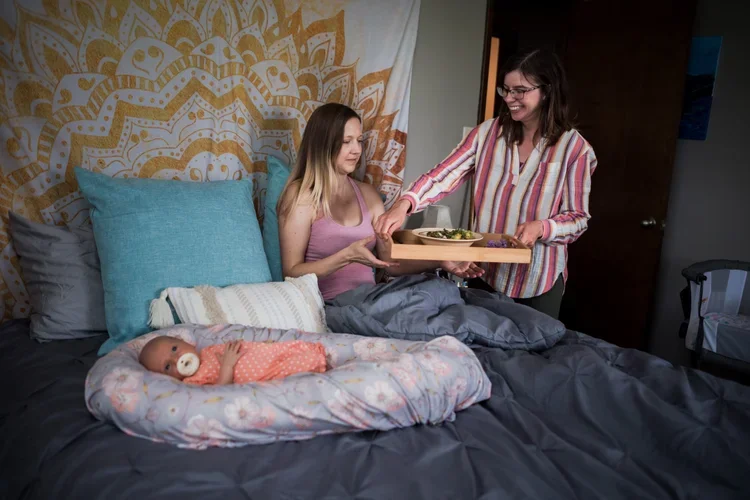
After becoming a mother, my entire vision of the world shifted. I came to realize that, as a culture, we have lost our understanding of postpartum healing and with it, our ability to truly support mothers in the tender weeks after birth.
When families are deeply cared for and supported after birth, wellness follows. Thriving follows. Abundance follows.
Birth initiates a profound transition. There is an innate instability in the postpartum period, physical, emotional, hormonal, and spiritual. This tenderness has never been a problem to solve. Historically, it was met with care, protection, and community support. The fragility of postpartum is part of the transformation itself.
When this instability is held with intention, it becomes fertile ground for healing and bonding.
When it is rushed, dismissed, or unsupported, it can lead to mental health challenges, physical depletion, and long-term imbalance.
Unfortunately, many of our family and cultural systems have forgotten what true care looks like after birth.
Postpartum care is not watching the baby so parents can go on a date in the first week.
It is not coming over to hold the baby while the mother prepares supper. It is not gifting a onesie.
True postpartum care is attuned, nourishing, and stabilizing.
It warms the body.
It calms the nervous system.
It allows the mother to rest, recover, and slowly integrate her new identity.
To be consciously cared for after birth means reclaiming traditions that have been lost from our family and cultural systems, traditions that honor rest, warmth, nourishment, and emotional holding.
More and more mothers are remembering this truth. Intentional care after birth leads to more easeful healing, deeper bonding with our children, and a stronger foundation for motherhood.
So what does that care actually look like?
Across cultures, postpartum healing has been supported through warm, grounding foods, herbal preparations that replenish and restore, hands-on body care that stabilizes the nervous system, and rhythms of rest that protect a mother during her most vulnerable transition. These practices are not indulgent or outdated. They are essential.
This is the wisdom I share in Rituals for Postpartum Wellness.
Through my holistic, food-focused in-person care, as well as my upcoming classes and webinars, I guide mothers in creating structured, intentional postpartum support rooted in universal and ancient traditions. Together, we explore nourishment, herbal care, body rituals, and practical ways to build support that truly meets the needs of the postpartum mother.
You deserve to be held during this transition.
You deserve care that honors the magnitude of becoming a mother.
I invite you to learn how to create that care for yourself.